Greater emphasis on comprehensive documentation
Upon purchase, you not only want to have a machine delivered, but also a complete dossier with conformity information, manuals, machine data, and a logical delivery package.
Anyone buying a new forklift in 2026 or later will increasingly encounter questions regarding the new Machinery Regulation. For many companies, this sounds legal and distant, but in practice it directly affects subjects that are very concrete during a purchase: documentation, conformity, safety, software, modifications to machinery, and the way a truck is placed on the market.
In this blog, we explain what the new rules mean for forklift buyers, what to look out for in quotes and deliveries, and why this topic is especially important when you are investing in modern electric or heavier forklifts.

The new Machinery Regulation replaces the old Machinery Directive as the legal framework for machinery in the European Union. For forklift buyers, this is relevant because the rules regarding conformity, safety, and documentation are further tightened and harmonized as a result.
In plain language, this means it becomes even more important that a new forklift not only fits your application technically, but is also correctly designed, documented, and marketed as a product. For buyers, the daily operation of a truck will not suddenly change completely, but the way you view documentation, handover, and machine management will become more important.
Upon purchase, you not only want to have a machine delivered, but also a complete dossier with conformity information, manuals, machine data, and a logical delivery package.
As forklifts become more advanced, the importance of clear information regarding software, operation, safety features, and responsible use also grows.
Will you be making subsequent modifications to a forklift truck? Then it becomes even more important to know which configuration was delivered and how changes relate to safety and compliance.
For companies with multiple trucks, multiple drivers, or a technical service department, a proper machinery file is not a luxury, but simply smart management.
It’s becoming even more important to have a clear idea in advance of the machine configuration you’re purchasing. Consider the model, serial number, mast, fork length, tires, drive system, battery type, charger, cab, and any attachments.
So do not only ask about price and delivery time, but also about the corresponding documentation package and the way the transfer is arranged.
Upon delivery, you’ll want to verify that the truck matches the agreed-upon specifications and that the documentation is logical, complete, and useful for your organization. This will immediately benefit operation, maintenance, safety, and future service.
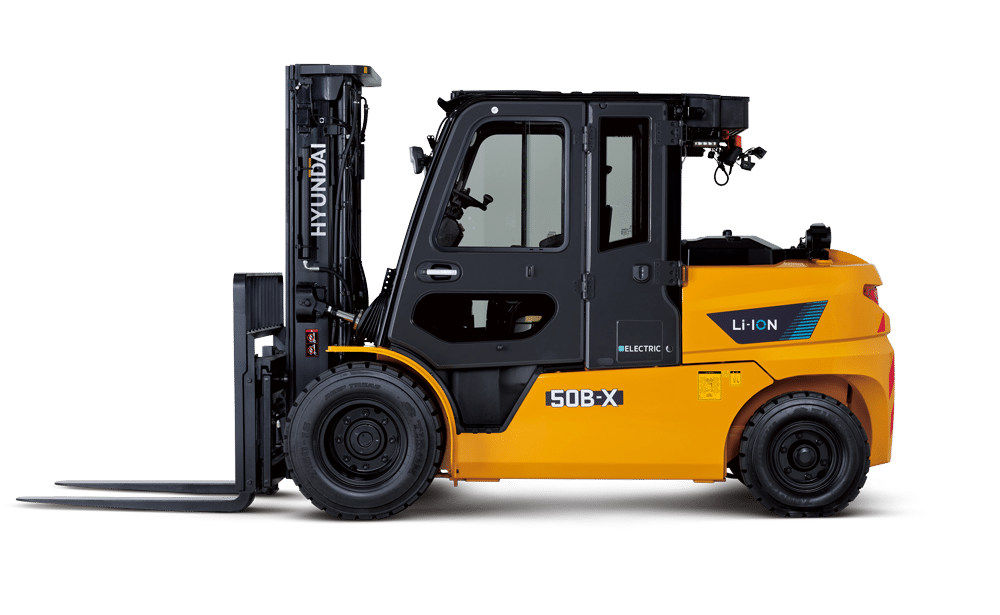
Electric forklifts increasingly play a central role in warehouses, production halls, and distribution centers. Precisely in those environments, matters such as battery documentation, charging strategy, instructions, software functions, and machine identification are important.
That makes the new Machinery Regulation not only a legal topic, but also a practical one for daily deployment and internal management.
Verify that the delivered truck matches the agreed-upon specifications in terms of model, power, mast, tires, options, and intended use.
Think of manual, conformity documents, machine data, delivery information and relevant documents regarding the battery or attachments.
Regulations are important, but ultimately the forklift must also suit the load center, operating time, surface, and driving routes.
The new regulations are not only interesting for high-tech machines. For outdoor diesel forklifts, LPG trucks for mixed use, and heavier models as well, it remains important that the documentation, safety information, and delivery are in order.
For electric trucks, battery selection, charging, operating instructions, and software features are extra relevant for a proper file.
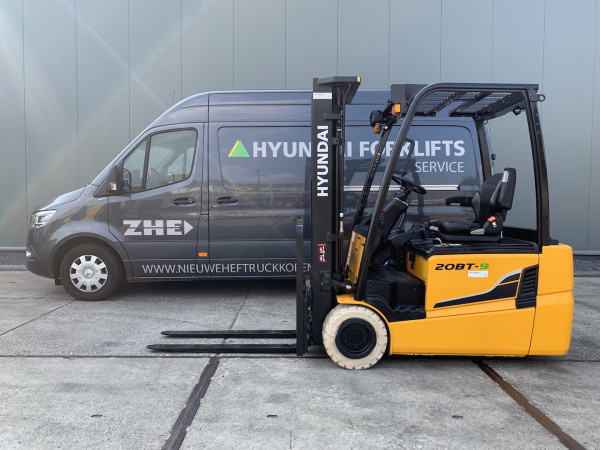
For general logistical deployment, you primarily want certainty regarding configuration, compliance, maintenance information, and a neat handover.
For outdoor work and heavier applications, tires, mast, stability, hydraulics, and clear machine data become even more important.
Many companies purchase a forklift and later add extra features, hydraulics, fork positioners, side shifts, cab modifications, or other components. That is precisely why it is important that the original delivery, configuration, and documentation are properly recorded.
The better organized your machine records are, the easier it will be for you to make informed decisions later on regarding modifications, maintenance, and replacements.
For forklift buyers, the new Machinery Regulation is primarily about buying with better preparation: sharper attention to documentation, correct delivery, machine identification, and responsible handling of modern machines and future modifications.
During the transition period, it is especially important to fully understand the framework under which a machine is placed on the market and how the documentation is structured.
Yes, especially taking a more conscious look at documentation, conformity, machine data, and the way the delivery and handover are arranged.
No. Electric trucks often make the subject more visible, but diesel, LPG, and heavier forklifts are also covered by professional machine management and correct delivery.
Because you then want to know how the truck was originally delivered, what documentation belongs with it, and how modifications relate to safety and responsible use.
Do not choose solely based on price or delivery time. Also consider the supplier, delivery process, documentation, service, and the extent to which the forklift truly fits your daily operations.

 English
  Dutch
Dutch  German