BE-X series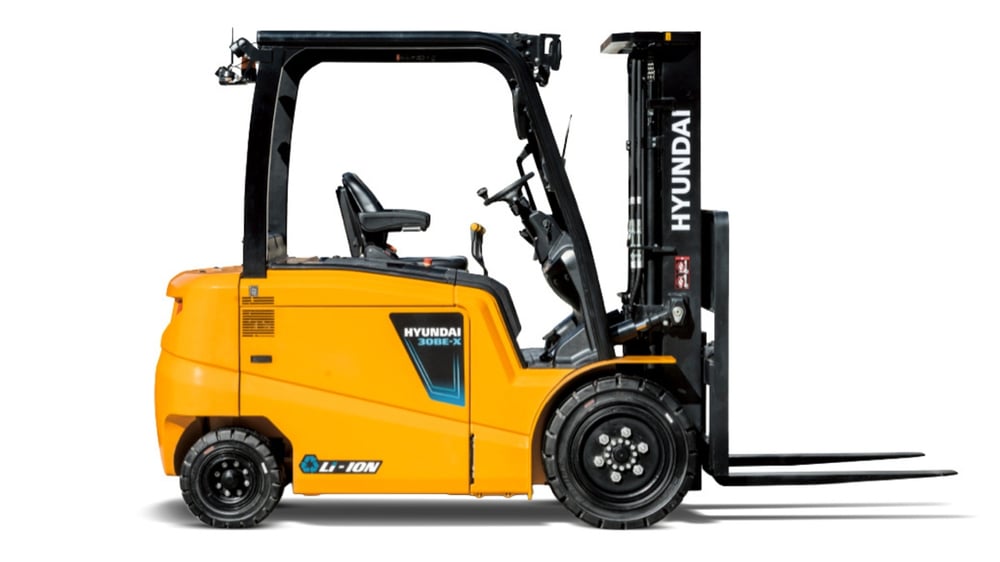
The most important choice when buying a forklift: electric or diesel? Both have a clear place — this is the honest comparison from our daily practice.
Modern electric forklifts like the Hyundai B-X series (Product of the Year 2025) deliver diesel performance: lifting speed, traction, and gradients are no longer a point of distinction. Only in very heavy-duty applications above 9 tons is diesel still the standard — until the 180B-X brings electric power up to 18 tons in September 2026.
Electricity is significantly cheaper per hour than diesel, and an electric motor requires less maintenance (no oil, filters, exhaust). Within five years, electric is almost always the lowest TCO for inland and mixed use—especially with MIA/Vamil tax benefits upon purchase.
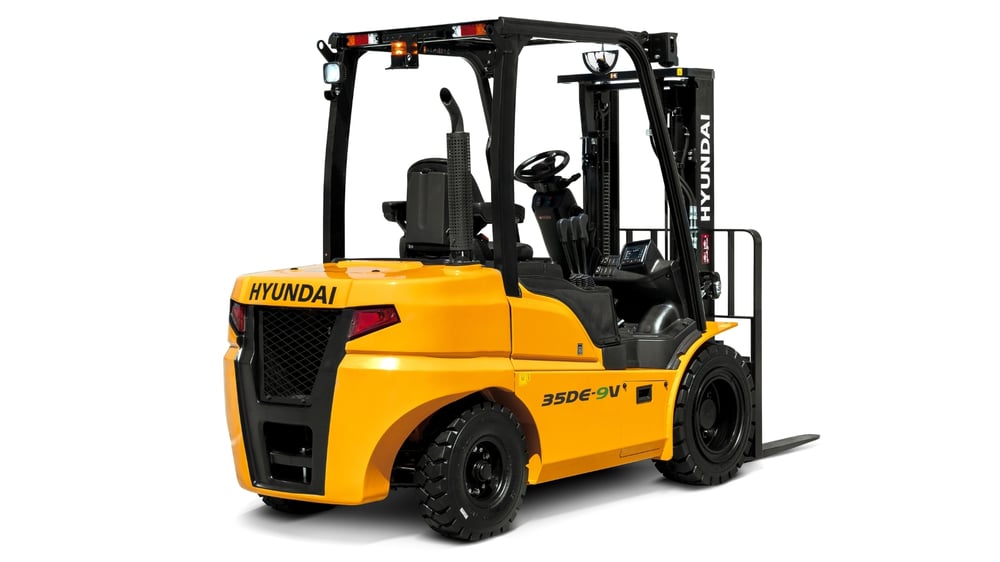
For heavy outdoor work on rough terrain, very long shifts without the possibility of charging, and capacities above 9 tons, a modern Stage V diesel like ours diesel forklifts still the sensible choice.
If you choose electric, make a conscious choice regarding the battery: lead-acid is cost-effective for fixed charging times (single-shift), while Li-ion is stronger for opportunity charging and multi-shift operations. We supply both on virtually every model from our electric forklifts.
Call 0168 467 467 or request a quote — response within 24 hours.
Slightly more expensive to purchase, significantly cheaper to use: less maintenance and lower energy costs. Over its lifespan, electric is usually more cost-effective, especially with MIA/Vamil.
Yes — modern models such as the BE-X and B-X work fine outdoors on paved surfaces. For rough terrain and very heavy loads, we recommend diesel.
Lead-acid charges overnight; li-ion charges quickly and can be opportunity-charged during breaks, enabling multi-shift operations without battery swapping.
Tell us what you are moving and how high you lift — we will advise you on the right model, new or used, within 24 hours.

 English
  Dutch
Dutch  German