
Why the right forklift battery is so important
For an electric forklift truck, the battery is not an afterthought. The battery determines how many hours you can drive, how fast you can charge, how flexibly the truck can be deployed, and how much downtime you prevent.
Bee electric forklifts Many companies focus primarily on lifting capacity, price, and model. However, the battery configuration is often just as critical to success. A powerful electric forklift with the wrong battery may still fall short in practice.
That’s why good battery advice starts with your workday: How many hours does the forklift operate, how heavy is its load, when can it be charged, how many shifts do you run, and what charging infrastructure is available?
The combination of battery capacity, charger, breaks, and mains power determines the actual usability.
More images: electric forklift, battery, and heavy-duty operation
The right battery depends on the application. A compact electric forklift in a warehouse requires something different than a heavy electric truck for intensive use or long routes.

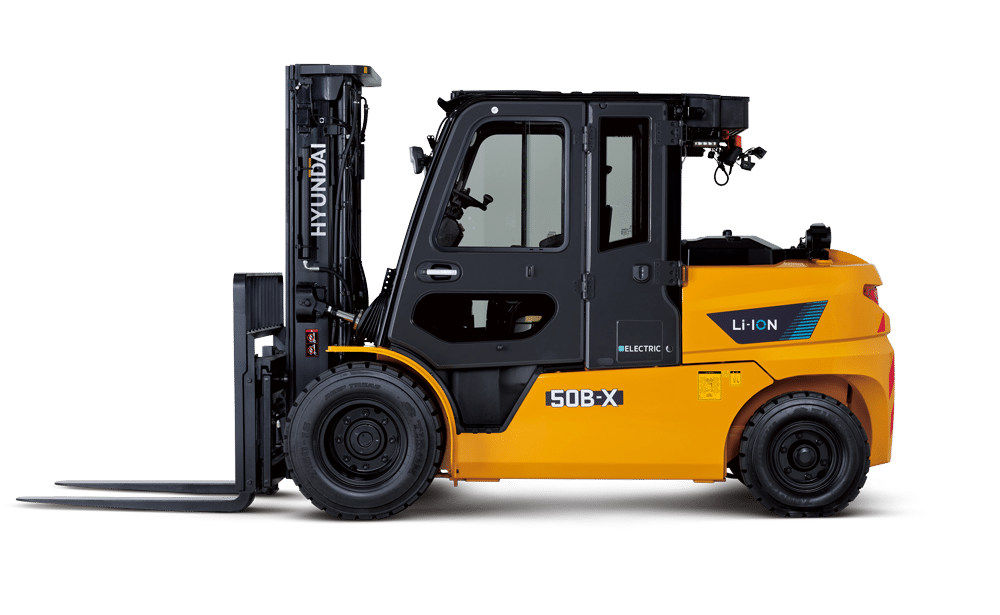
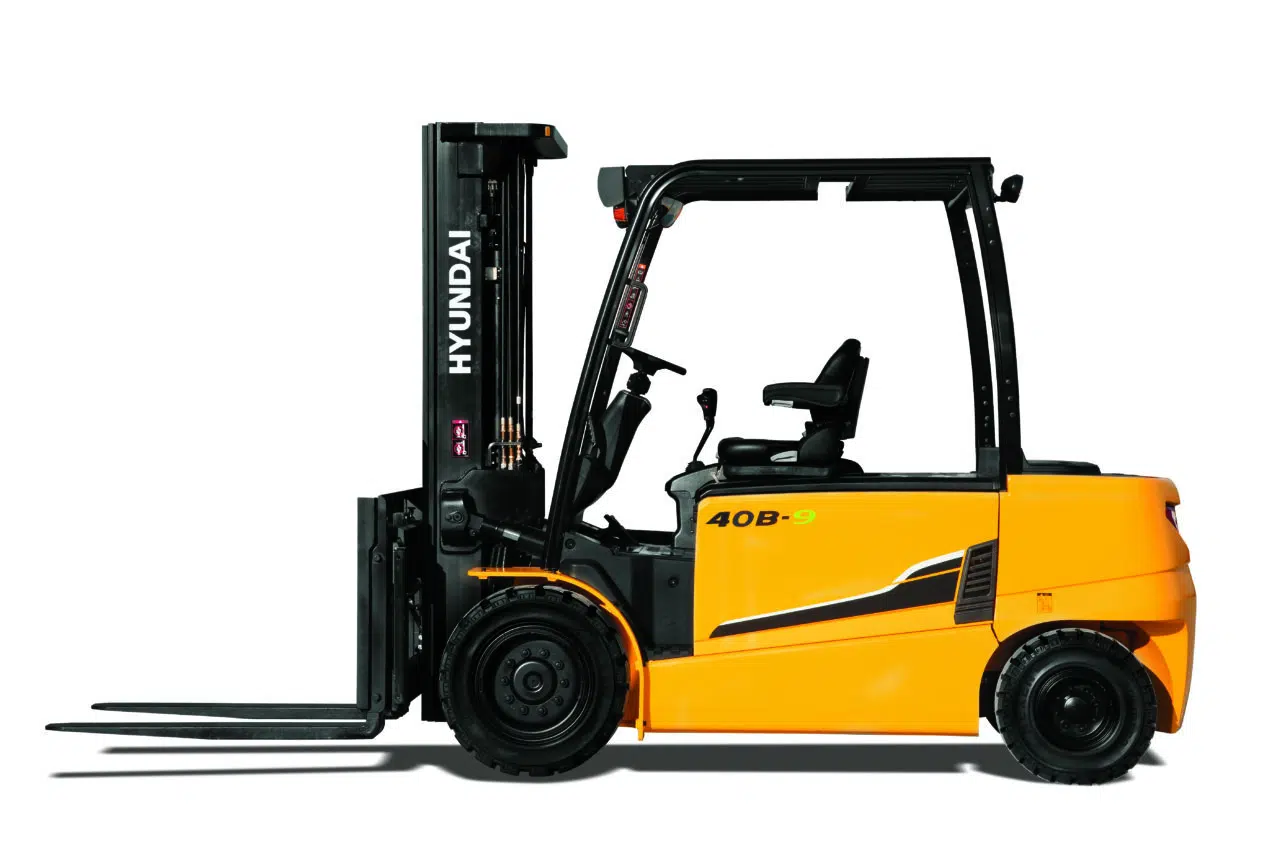
The 9 factors that determine how much battery capacity you need
Battery capacity isn’t determined solely by “hours per day.” Load weight, driving distance, flooring, temperature, charging times, and driver behavior also play a role.
Hours per day
A forklift that runs for 1 hour a day requires a different battery than a truck in shift work.
Weight and tax
Heavier loads, a lot of lifting, and long routes require more energy.
Driving distance
Long distances between production, storage, and dispatch increase energy consumption.
Lifting movements
Lifting loads to a height requires more energy than simply moving them horizontally.
Charging times
With lithium-ion batteries, you can often charge them in between uses, such as during breaks or when switching tasks.
Multiple services
When working shifts, battery strategy is crucial: swapping, fast charging, or higher capacity.
Cold and heat
Temperature can affect performance, charging behavior, and battery life.
Payload
A good battery with the wrong charger does not solve the problem.
Growth and peaks
Allow for heavier deployment, more orders, or longer working days.
Example: why a standard battery is sometimes not enough
Suppose: an electric forklift operates an average of 5 hours a day, but during peak days this increases to 7 hours. The truck regularly lifts heavy pallets, drives long routes, and there is little time to charge in between.
This means a standard battery pack might seem sufficient on normal days, but fall short on busy days. The consequence: charging during working hours, waiting time for drivers, lower productivity, and extra pressure on the schedule.
The right battery prevents your electric forklift from breaking down precisely at the busiest moment.
Guideline: which battery strategy suits your application?
The table below will help you choose the right model. The exact capacity depends on the model, application profile, loader, and working environment.
| Use | Real-world scenario | A Battery Strategy That Often Works | Relevant follow-up |
|---|---|---|---|
| Light use | A few hours per week or short daily commitment. | A standard battery is often sufficient. | Electric forklifts |
| Normal daily use | 2 to 5 hours a day, in a warehouse, production, or logistics setting. | A properly matched battery and a compatible charger. | Buying based on operating hours |
| Intensive use | 5 to 8 hours a day; minimal downtime is preferred. | Consider lithium-ion or larger battery capacity. | Lithium payback period |
| Shift Work | Multiple shifts, short charging times, high availability. | Lithium-ion, opportunity charging, or optimized charging schedules. | Opportunity charging |
| Heavy-duty electrical deployment | Heavy lifting, heavier loads, long routes, or 4-5 ton trucks. | Always calculate battery, charger, and mains connection together. | Charging infrastructure |
Lithium-ion or lead-acid: what suits your workday?
The choice between lithium-ion and lead-acid depends heavily on operating hours, charging times, maintenance, budget, and desired flexibility.
| Accutype | Contribute to | Watch out | Read more |
|---|---|---|---|
| Lead acid | Regular deployment with clear charging times and sufficient charging time. | Maintenance, charging discipline, charging time, and battery capacity. | Lead-acid or lithium-ion |
| Lithium-ion | Intensive use, opportunity charging, multiple shifts, and minimal maintenance. | Higher investment, right charger and good charging strategy. | Lithium payback period |
| Custom battery strategy | Companies with peak workloads, shift work, or multiple electric forklifts. | Net capacity, charging location, cables, safety and planning. | Charging infrastructure |
Images: battery selection per electric forklift class
A compact electric forklift, a 3.5-ton warehouse truck, and a 5-ton electric forklift do not require the same battery approach.
The charger is just as important as the battery
A large battery with the wrong charger is still not a good solution. The charger must match the battery, the available charging time, and the electrical installation on site.
Common mistakes with forklift batteries
You don't really notice when you've chosen the wrong battery or charger until things get hectic. These are the mistakes you want to avoid.
Checklist: Information Needed for Battery Recommendations
Would you like to quickly find out which battery capacity is right for you? If so, please gather this information before requesting advice.
Why Heftruckkopen.com Helps with Battery and Charging Strategies
At Heftruckkopen.com, we don’t just look at the electric forklift itself, but at the entire operation: battery capacity, charger, charging intervals, workday, battery type, power connection, service, and future use.
We advise on electric forklifts, charging infrastructure, opportunity charging, lithium-ion payback period, service and maintenance en forklift lease.
For manufacturer information, you can also check Hyundai Material Handling Europe. For information on safety testing and inspection, please see VA-keur.
Frequently Asked Questions About Sizing Forklift Batteries
How do I determine which forklift battery I need?
Is lithium-ion better than lead-acid?
Can I charge an electric forklift intermediately?
What happens if the battery is too small?
Should I also include the charger in the advice?
Can Heftruckkopen.com calculate my battery capacity?
Wilt u zeker weten dat uw elektrische heftruck de werkdag haalt?
Laat uw accu, lader en laadstrategie vooraf beoordelen. Zo voorkomt u stilstand, laadstress en een elektrische heftruck die op papier goed lijkt, maar in de praktijk te weinig inzeturen haalt.
 English
  Dutch
Dutch  German