
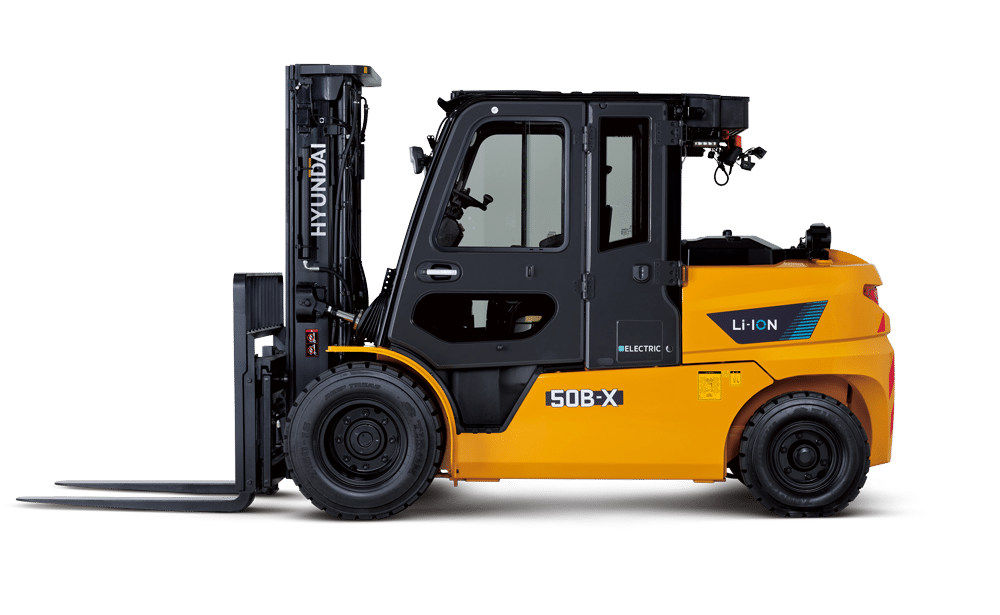
How does an electric forklift work in short?
An electric forklift operates with a battery, electric motors, controller, hydraulic pump, and mast. The battery supplies power. The electric motors handle driving and steering. The hydraulics lift the forks and the load.
An electric forklift is very similar in use to a diesel or LPG forklift, but the technology is different. Instead of an internal combustion engine, the machine uses electrical energy from a traction battery. This makes the forklift quiet, efficient, and suitable for many indoor environments.
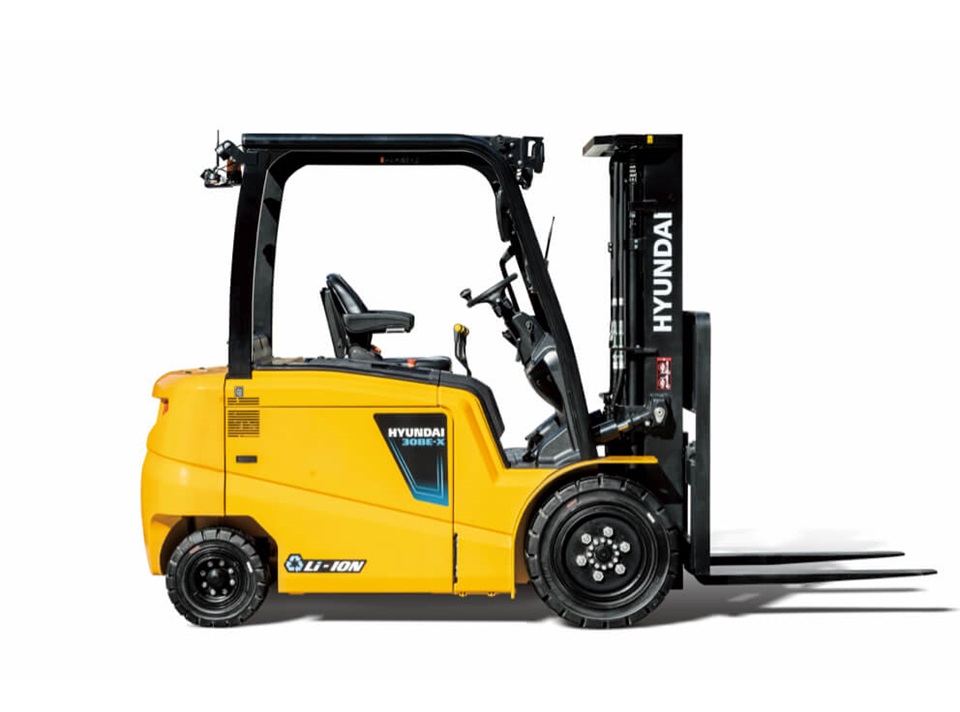
The main components
Battery
The battery supplies energy for propulsion, hydraulics, lighting, and steering.
Electric motor
The electric motor converts electrical energy into motion.
Controller
The controller regulates power, speed, braking, and driving behavior.
Step by step: how the electric drive works
When the driver accelerates, the controller sends power from the battery to the electric motor. That electric motor drives the wheels. In modern electric forklifts, this happens very precisely, allowing the driver to accelerate, brake, and maneuver in a controlled manner.
For lifting, the forklift uses an electro-hydraulic pump. That pump builds up oil pressure, allowing the lift cylinders to move the mast and the fork carriage. This enables the machine to lift pallets and other loads.
Which battery does an electric forklift use?
Electric forklifts can be equipped with various battery types. Commonly used variants are lead-acid batteries and lithium-ion batteries. Lead-acid is traditional and affordable. Lithium-ion is popular for intensive use, opportunity charging, and longer working days.
| Accutype | Characteristic | Goes well with |
|---|---|---|
| Lead acid | Proven technology, often lower purchase costs. | Regular deployment, fixed charging times, single shift. |
| Lithium-ion | Fast intermediate charging, low-maintenance, and efficient. | Intensive deployment, shift work, opportunity charging. |
Benefits of an electric forklift
- Zero emissions during use
- Working quietly and comfortably
- Suitable for warehouses and production halls
- Often lower energy costs per operating hour
- Fewer moving engine parts
- Interesting for food, logistics and distribution
What should you look out for?
An electric forklift must fit your work process. Therefore, do not only look at the lifting capacity, but also at battery capacity, charging space, lifting height, aisle width, tires, mast type, and daily operating hours.
Choosing an electric forklift?
Heftruckkopen.com helps you with advice on battery type, lifting capacity, charging options, and the right Hyundai electric forklift for your business.
Frequently Asked Questions
How does an electric forklift work?
An electric forklift uses a battery to power electric motors and hydraulics. This allows the machine to drive, steer, lift, and lower.
Does an electric forklift have hydraulics?
Yes. An electric forklift also uses hydraulics for lifting, lowering, and tilting the mast.
Is an electric forklift suitable for outdoor use?
That is possible, depending on tires, surface, weather conditions, and version. For many outdoor applications, customized advice is advisable.
What is better: lead-acid or lithium-ion?
That depends on usage. Lead-acid is often suited for fixed charging times. Lithium-ion is interesting for intensive use and opportunity charging.
 English
  Dutch
Dutch  German