In shipping and cross-docking, it is all about speed, overview, and a constant flow of goods. A forklift for this application must not only be able to move pallets, but above all react quickly, steer comfortably, and perform reliably during peak moments. In this blog, you can read what to look out for when buying a new forklift for shipping or cross-docking.
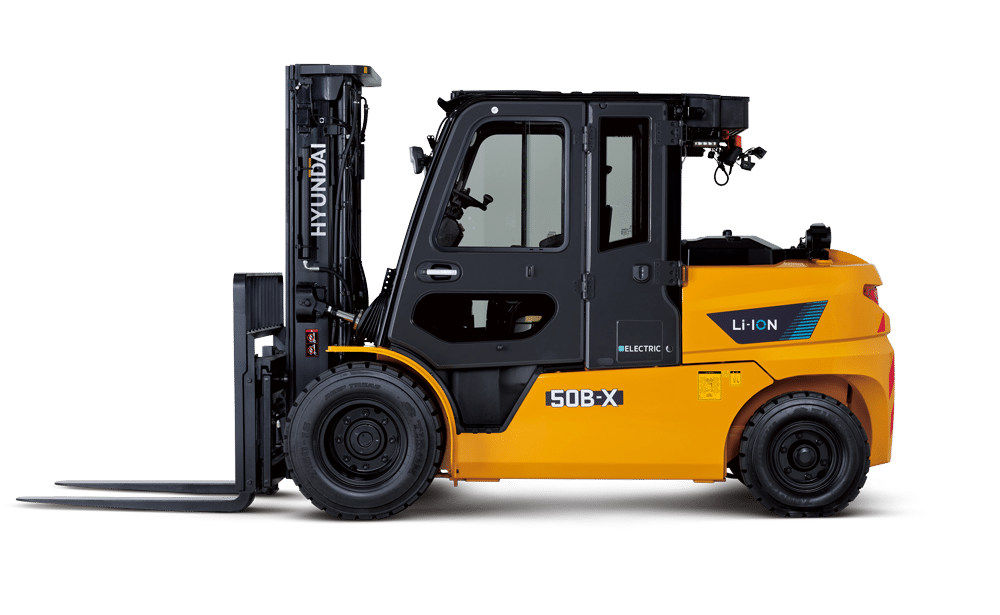
In a logistics environment, the forklift often serves as a link between storage, order fulfillment, loading docks, and transportation. This is even more true in cross-docking: goods arrive and are shipped out almost immediately. This requires a forklift that moves quickly and smoothly, can handle tight turning circles, and is comfortable to operate during repetitive trips.
A truck that is too large, too heavy, or less agile can cause unnecessary delays in such an environment. This is not just about lifting, but primarily about rhythm, flow, and error-free work under time pressure. That is why it is wise to evaluate the truck not only by its tonnage, but especially by its practical application.
That depends on the space available, the flow of goods, and the intensity of use. In many cases, a compact and maneuverable truck with good visibility is the best choice. Especially when there’s a lot of movement between docks, staging areas, and loading or unloading locations, you need a truck that responds quickly and takes up little space.
Do you mainly work with standard pallets and a high turnover rate? Then the emphasis is usually on speed, comfort, and low operating costs. If you deal more often with heavier or varied loads, the truck must be tailored to that in terms of capacity, mast, and any attachments.
Compact truck, good turning radius, comfortable handling, and clear lines of sight.
Extra attention to fork configuration, sideshift or fork positioner and flexibility in use.
A reliable truck with consistent performance and minimal downtime during peak periods.
For many shipping and cross-docking environments, a electric forklift The best choice. Electric forklifts are quiet, comfortable to operate, emission-free, and often ideal for indoor operations and docks where frequent maneuvering is required. They are well-suited for intensive logistics processes where comfort and low operating costs are important.
A LPG forklift can be smart when the truck frequently switches between indoors and outdoors and needs to be ready for use again quickly. For heavier outdoor work around shipping or industrial transshipment, a diesel forklift still make sense, especially when capacity and harsh conditions are more important factors.

In shipping and cross-docking, time loss is often not a matter of minutes per trip, but of small delays that add up. That’s why maneuverability and visibility are often decisive factors. A truck that turns quickly, provides a clear view of the forks and load, and responds smoothly makes the work go more smoothly and faster.
Driver comfort is also a factor. Drivers who make many short trips, frequently maneuver in and out of traffic, and must constantly anticipate conditions will benefit from a truck that’s easy to get into, has intuitive controls, and offers a smooth ride. This not only increases productivity but also reduces fatigue and the likelihood of errors.
Where many goods move in a short time, the importance of safety also increases. Good lines of sight, stable driving characteristics, and reliable operation help to limit damage to goods, docks, and internal transport. In addition, maintenance is important: downtime in a cross-docking process directly affects the flow.
For more general product information, you can also visit Hyundai Material Handling Europe. For testing, inspection, and safe use, VA-keur relevant. Within the practice remains VA-keur standard an important starting point.
Are you unsure which truck performs best in your dispatch? Then it can be smart to first gain practical experience via HeftruckHuren.com. This way you can quickly see which configuration best suits your work pace and flow of goods. If it concerns structural deployment, then it is also possible forklift leasing be interesting.
We are happy to help you choose the right Hyundai forklift for fast logistical processes, dispatch environments, and cross-docking. This ensures you get a truck that is not only powerful, but above all performs quickly, agilely, and reliably in practice.
In many warehouse environments, an electric forklift is the best choice because of its maneuverability, comfort, and low operating costs. However, the best choice depends on the available space, the floor surface, and the intensity of use.
Because goods move quickly through the system and the truck often operates in short maneuvers between docks, staging areas, and loading points. A smaller turning radius often means greater speed and fewer course corrections.
Yes. Especially for mixed indoor and outdoor use, LPG can be an interesting choice due to its flexibility and quick deployability.
No. In freight forwarding and cross-docking, visibility, responsiveness, truck dimensions, tires, comfort, and uptime are also very important.
Yes. Via HeftruckHuren.com You can use a temporary assignment to test which truck works best for your business.

 English
  Dutch
Dutch  German