Why forklift capacity is more than just tonnage
Many companies search for terms like 3 ton forklift, 5-ton forklift of
large forklift. That makes sense, but the stated lifting capacity doesn't tell the whole story.
You don't choose the right truck based on weight alone. Also the lifting height, de
distance to the trailing edge of the center of gravity, the length of the cargo, the use of
attachments, the tire type and the surface play a major role.
That is why it is smart not to look only at today's heaviest load, but at the full operational profile: what do you move daily, how often does the truck operate, do you work mainly indoors or outdoors, and how much reserve do you want to keep for safety and productivity?
Overview by tonnage class: which capacity suits your business?
1.5 to 2.0 tons
Perfect for light warehouse work, dispatch, retail distribution, and production environments where agility is important.
- Ideal for indoor use
- Popular choice as an electric forklift
- Suitable for standard pallets and lighter loads
2.5 tons
The most popular all-round choice for logistics, loading and unloading, production, and general internal transport tasks.
- Broadly employable
- More reserve than 1.5 or 2.0 tons
- Strong balance between compactness and capacity
3.0 to 3.5 tons
For companies that regularly process heavier pallets or want a higher margin during daily intensive use.
- Suitable for heavier standard loads
- Interesting with higher masts or accessories
- Frequently chosen in production and industry
4.5 to 5 tons
For heavier handling, outdoor use, and industrial applications where stability and robustness count.
- For steel, wood, stones and heavy pallets
- Widely used outdoors
- Ample capacity for heavier duty use
7 to 9 tons
For heavy logistics, building materials, metal, and larger industrial sites where structurally heavy loads are moved.
- More stability and reserve
- Suitable for intensive heavy-duty use
- Also interesting in heavier electric segments
10 to 30 tons
The heavy-duty segment for specialized handling, heavy industry, rugged outdoor locations, and exceptionally heavy loads.
- For specialist applications
- Mostly diesel-powered
- Not for standard warehouse work, but for maximum capacity
Choose not only based on tonnage, but also on your working environment
A compact electric forklift may be the perfect choice for a warehouse, while a diesel forklift performs much better on rough
outdoor terrain. If you work in narrow aisles or at heights, then a
reach truck are smarter than a traditional forklift.
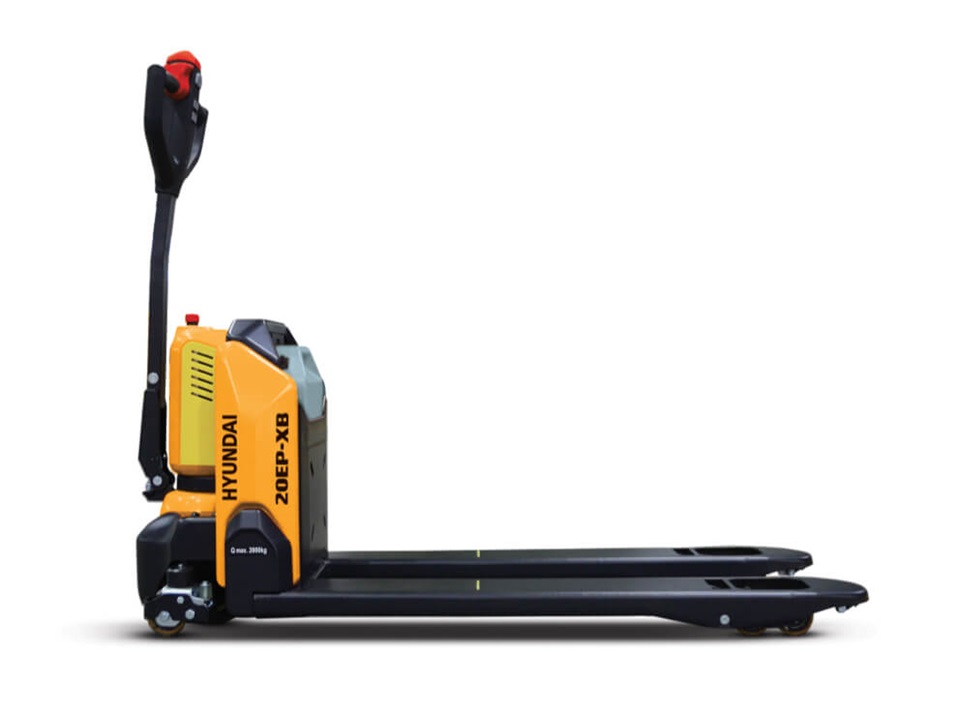
Warehouse and Internal Logistics
Compact solutions are ideal when maneuverability, zero-emission operation, and efficient use of space are key.

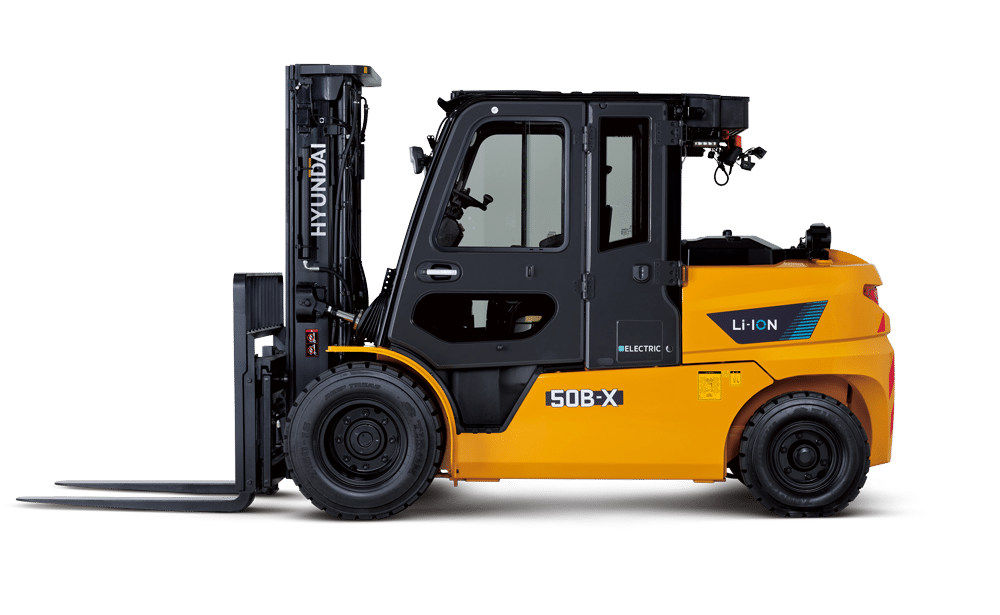
Outdoor Areas and Heavy-Duty Handling
For rough terrain, long shifts, and heavy loads, a larger diesel truck is often the most logical choice.
Electric, diesel, or LPG: which drive system suits the chosen capacity?
Electric forklift
Electric is strong for indoor use, modern workspaces, zero-emission operation, and low operating costs. Check out the page for this electric forklifts.
Diesel forklift
Diesel is particularly interesting for heavy-duty outdoor use, high daily workloads, rough terrain, and the heavy-duty segment. Check out the page for this diesel forklifts.
LPG forklift
LPG is a great option if you want the flexibility to work both indoors and outdoors and need to refuel quickly. Check out this LPG forklifts.
Quick comparison by capacity
| Capacity |
Typical deployment |
Frequently chosen drive |
Suitable for |
| 1.5–2.0 metric tons |
Light warehouse work, shipping, retail |
Electric |
Compact indoor venues |
| 2.5 tons |
All-round logistics, loading and unloading |
Electric / LPG / diesel |
Broadly employable |
| 3.0–3.5 metric tons |
Heavier pallets, intensive use |
Electric / LPG / diesel |
Manufacturing, industry, heavier logistics |
| 4.5–5 metric tons |
Industrial handling, outdoor area |
Diesel / electric heavy-duty segment |
Heavier pallets and materials |
| 7–9 metric tons |
Heavy industry and specialized handling |
Diesel / electric heavy-duty segment |
Structurally Heavy Loads |
| 10–30 ton |
Heavy-duty outdoor use |
Diesel |
Heavy industry, harsh outdoor locations |
Compare these pages as well
Brand quality, safety, and service are just as important
You do not choose a forklift based solely on price or tonnage. Service, parts, delivery, and safety also weigh in. Therefore, it is wise to also look at maintenance, operational advice, and inspection aspects alongside product specifications.
Read more about the Hyundai program via
Hyundai Material Handling Europe
and view information about safety and inspection via
VA-keur.
Are you hesitating between 2.5 tons, 3 tons, 3.5 tons, or 5 tons?
Tell us which loads you move, how high you need to lift, how many hours a day the truck operates, and whether you work mainly indoors or outdoors. Then we will advise which Hyundai forklift capacity is the best technical and commercial fit.
Frequently asked questions about forklift capacity
What is the most popular forklift capacity?
In many companies, a 2.5-ton forklift the most popular choice. This class offers an excellent balance between compactness, versatility, and sufficient capacity for daily loading, unloading, and internal transport.
When do I choose a 3-ton or 3.5-ton forklift?
Choose 3 metric tons or 3.5 metric tons if your loads are consistently heavier, if you want to maintain a larger safety margin, or if you work with taller masts and attachments.
Is a 5-ton forklift for outdoor use only?
No, but a 5-ton truck is often chosen for heavier industrial applications and outdoor areas. The right choice depends on the space, surface, duration of use, and type of load.
What is more important: tonnage or lift height?
Both are important. A forklift must not only be heavy enough, but also remain stable at the required lifting height. Therefore, capacity, mast, load center, and working environment must always be considered together.
Should I choose electric, diesel, or LPG?
That depends on your application. Electric is strong for indoor use, diesel for heavy outdoor work, and LPG for flexible mixed use. First choose the right capacity and then the drive that suits your application.

 English
  Dutch
Dutch  German