Skip to content
Official Hyundai importer for the Netherlands · ★★★★★ 5,0/5
⚡ Response within 24 hours ☎ 0168 467 467 Free quote
Blog Food industry Electric forklifts Hygiene • safety • implementation advice
Heftruckkopen.com • official Hyundai importer

Forklift food industry: what to look out for when purchasing?

A forklift truck for the food industry must be able to do more than just move pallets. In food production, foodservice, cold storage, and distribution, it is all about hygienic working, reliability, low emission, safe maneuvering and a design that suits your floor, products, and shift work. Exactly why many food companies choose a electric forklift with the right tires, mast, battery technology, and safety options.

In this blog you will read which version suits the food industry, which mistakes you want to avoid and which Hyundai models are interesting for warehouses, production halls, shipping and refrigerated logistics.
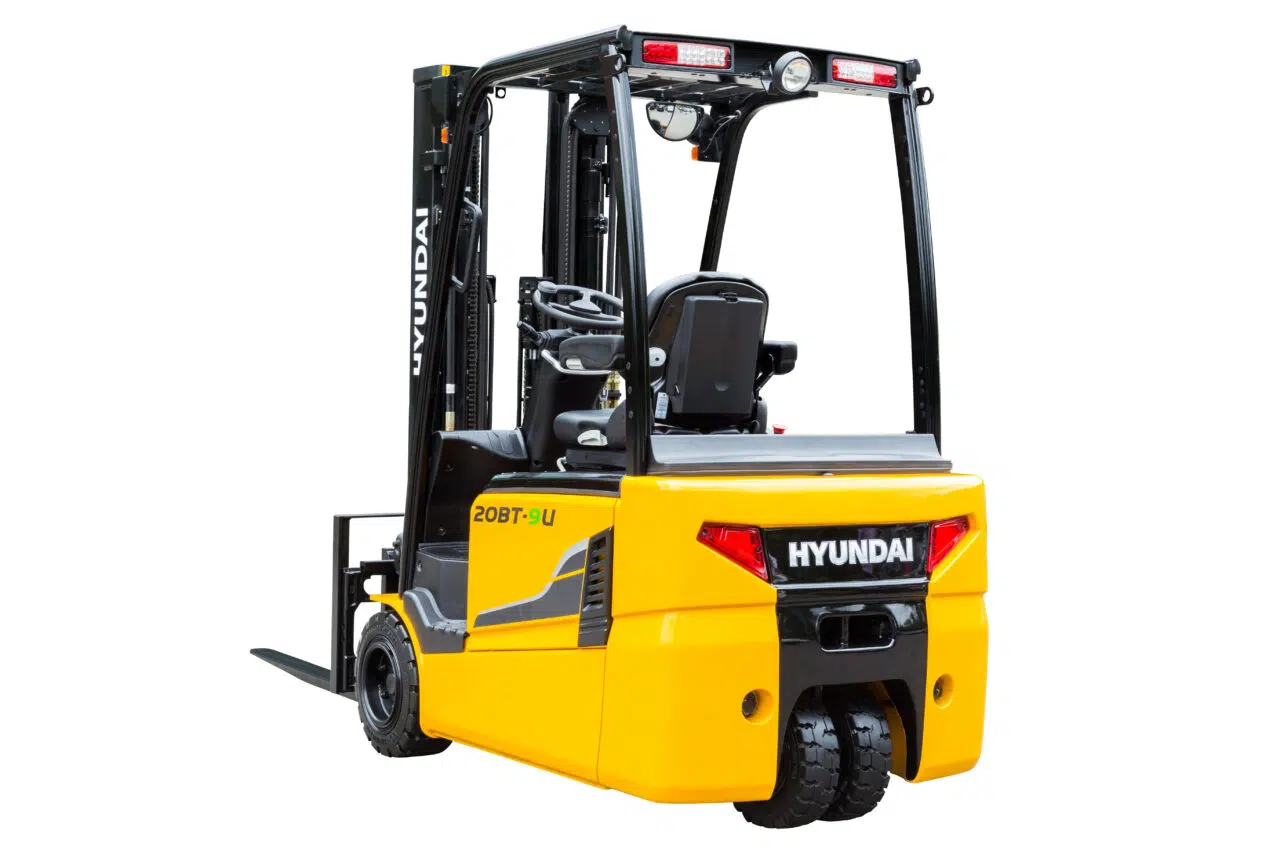
Quiet and low-emission Suitable for indoor use, food production, and refrigerated areas.
Hygiene and cleaning The truck must fit your cleaning regime and work environment.
Compact and safe Important in narrow aisles, cold rooms, and dispatch areas.
Maintenance and Continuity Downtime directly costs money in production and distribution.
Elektrische Hyundai heftruck voor food industrie, magazijn en interne logistiek
Popular Bet
Production & Shipping
Drive
Electric
Benefit
Quiet & agile

Why making the right choice is so important especially in the food industry

In the food industry, logistics, hygiene, and operational continuity are closely intertwined. You don’t want a truck that’s too large for the route, too prone to downtime, or ill-suited to the on-site cleaning and hygiene requirements.

The right choice therefore does not start with tonnage alone, but with your entire practice: floor condition, temperature, aisle width, charging infrastructure, teams, cleaning en product type.
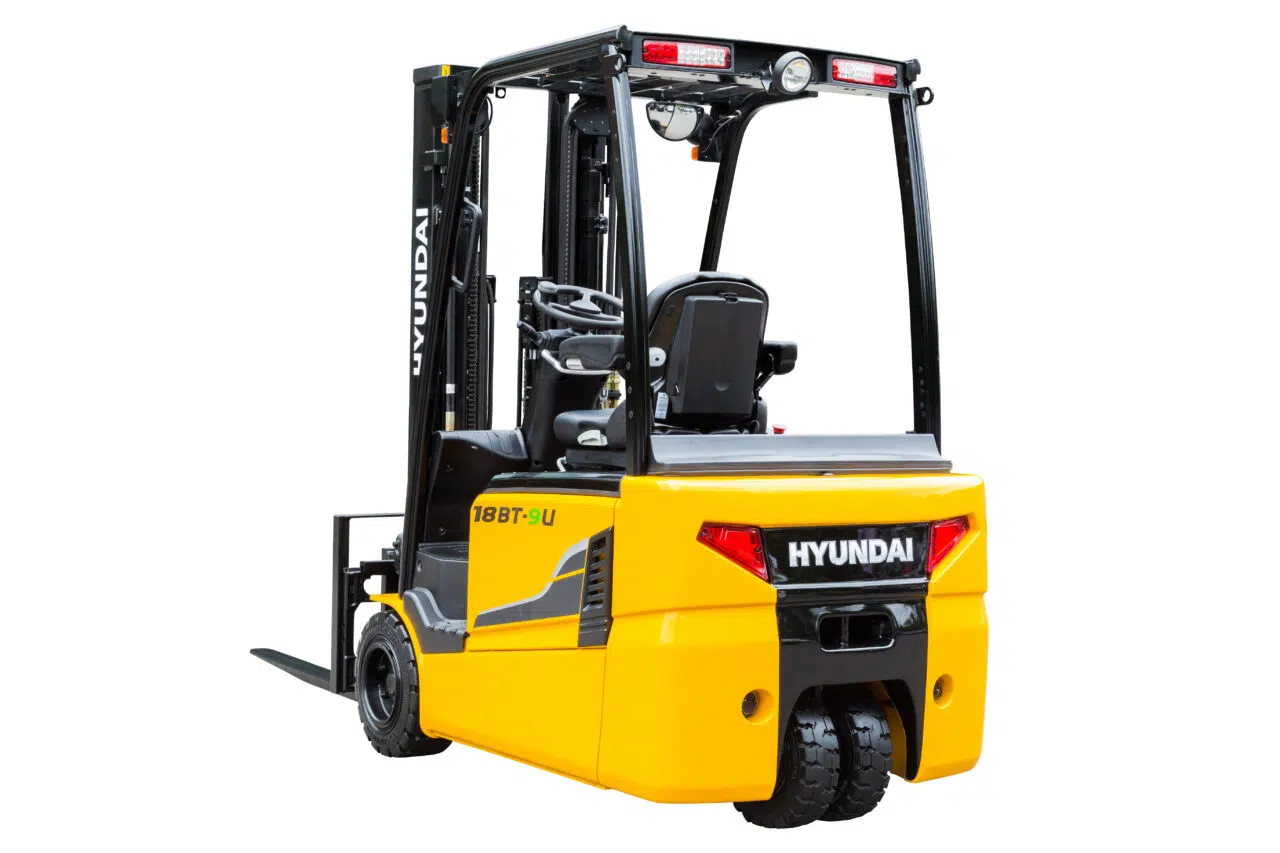
What food companies usually end up agreeing on

  • Electric forklifts for production, warehouse and shipping
  • Compact 3-wheel trucks for narrow spaces and heavy steering work
  • 2.0 to 3.5 metric tons segment for pallets, roll containers, and day-to-day logistics
  • Lithium-ion or appropriate lead-acid configuration depending on shift work and charging times
  • Non-marking tires or the right choice of tires depending on floor and hygiene policy

7 considerations for a forklift in the food industry

1. Electric or internal combustion? For many food applications, electric is the most logical choice. You work quieter, with lower emissions, and often more comfortably in enclosed spaces, production halls, and warehouses.
2. Cleaning and hygiene Look at how often the truck is cleaned, which zones are critical and which design suits moisture, dust, packaging residues or refrigerated logistics.
3. Aisle Width and Turning Radius Space is often scarce in food warehouses. A compact 3-wheel truck can offer significant advantages there in terms of speed and safety.
4. Battery and Charging Strategy Whether you run a single shift, two shifts, or operate almost continuously, it makes a big difference whether you choose lead-acid, lithium-ion, and whether or not you use opportunity charging.
5. Tire choice The right tires affect grip, driving comfort, floor load, and contamination. That is important in clean production and storage environments.
6. Mast, forks and visibility Look at lift height, clearance height, sightlines, free lift, and the question of whether the truck is mainly used in racking, cold rooms, or dispatch.
7. Maintenance and downtime In the food industry, downtime can directly impact production or delivery. Therefore, service, spare parts, and proper commissioning are not an afterthought.

Common Mistakes Made When Purchasing for Food Companies

Too much focus on capacity alone 2 tons or 2.5 tons doesn't mean much without information on load center, aisle width, floor, and lift height.
Incorrect battery configuration A low-cost battery solution can end up being expensive if your shift schedule or charging infrastructure isn't right.
Forgot tires and floor In food environments, you want to prevent damage, tracks, slipping, or unnecessary contamination as much as possible.
Too little attention to service Food production and distribution demand continuity. Fast service and parts availability weigh heavily.
Which forklift is best suited for the food industry?
That depends on your routing, floor, hygiene requirements, capacity, and operating hours. In many food environments, a electric forklift the most logical, because it is quiet, low-emission, and pleasant to use in production, warehouse, and shipping.
Why do food companies often choose electric?
Electric forklifts are attractive to many food companies because low emission, low noise level, pleasant driving characteristics and good usability in enclosed spaces and clean working environments.
Is lithium-ion technology of interest to the food industry?
Yes, especially if you work with multiple services, short charging times or high availability requirements. In such cases, lithium-ion batteries can help ensure more efficient charging and minimize downtime.
What is the most common capacity in the food industry?
For many applications, you'll often find yourself in the segment 1.5 to 3.5 metric tons. The correct capacity depends on pallet weight, stacking height, load center, attachments, and floor condition.
Is the VA certification relevant when purchasing a new forklift?
Yes, proper inspections and verifiable machine safety are important for safe working conditions, inspections, and business continuity. This is especially true in environments where production and logistics are closely integrated.
What information do you need to include with your application?
Preferably send your payload, center of gravity of the load, lifting height, aisle width, floor, number of operating hours, number of drivers en info over charging infrastructure mee. Dan krijgt u sneller een kloppend voorstel.
Advies voor foodbedrijven

De beste heftruck voor food is niet automatisch de zwaarste, maar de truck die het beste past bij uw proces

Wilt u een heftruck kopen voor de food industrie? Dan helpen wij u graag met een voorstel dat past bij uw werkvloer, hygiëne-eisen, laadstrategie, ploegendienst en gewenste capaciteit.

en_USEnglish

Easily request a quote for your forklift

Do you want to buy a forklift and know the costs immediately? Then request a no-obligation quote using the form below; we will contact you within 24 hours.